What Happens to Your RV or Boat When You Don’t Properly Winterize?
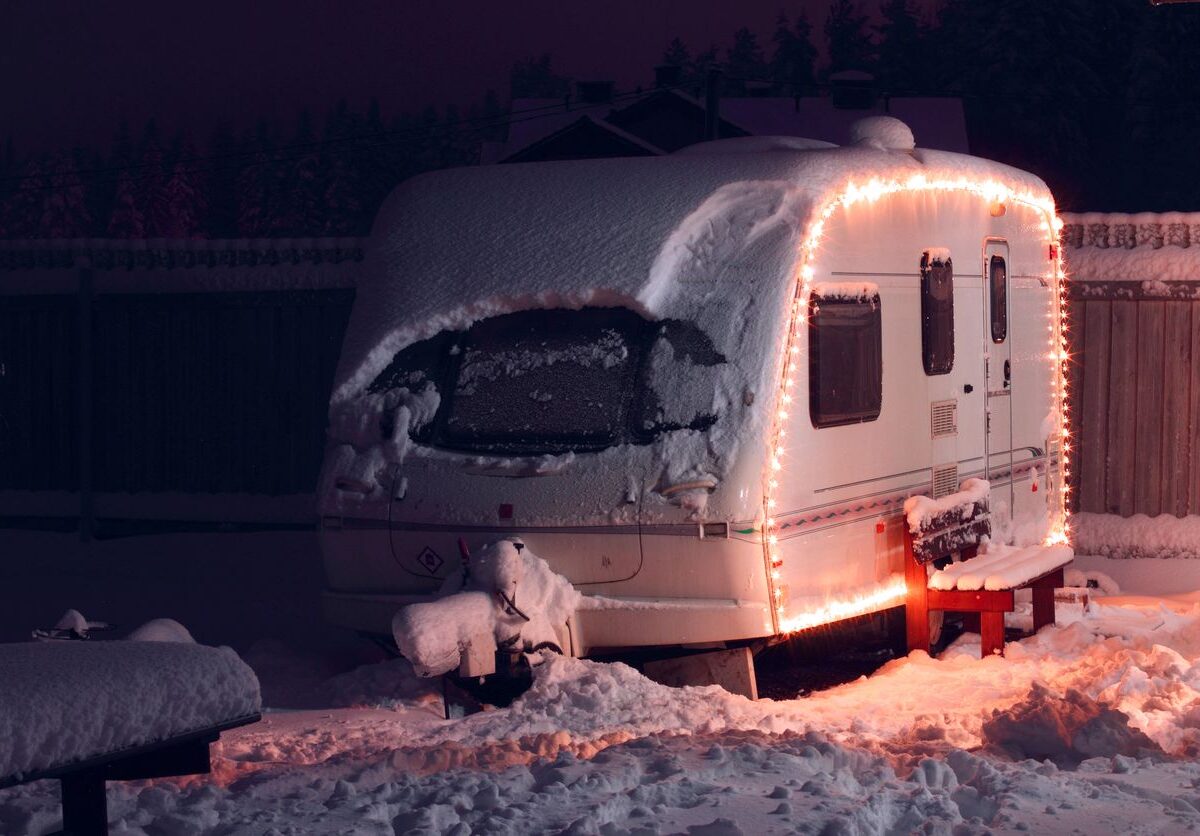
Winters can be particularly tough on your RV or boat, especially if you don’t get it ready for cold weather and long breaks. Regardless of how long you’ve owned one, it’s still important to prepare the appropriate way. In this guide, Honey Bee RV Storage talks about what can go wrong if you don’t winterize, what you should do to maintain your RV or boat, and how we can help you through the winter.
Why Winterization Matters for Your RV or Boat
Winterization matters because it helps keep your RV or boat free from cold-weather harm while it sits unused during winter.
What Winterization Includes
Winterizing an RV or boat involves a series of focused tasks that prepare its mechanical, plumbing, and interior systems for long periods of cold weather. These steps help the vehicle remain stable while it sits unused and limit the stress caused by freezing temperatures, moisture, and reduced airflow. Common tasks include:
- Draining water systems
- Adding the appropriate antifreeze
- Stabilizing fuel
- Disconnecting or maintaining the battery
- Sealing exterior openings
- Cleaning and drying interior spaces
Why RV Maintenance and Boat Maintenance Change in Winter
Taking care of your RV or boat all year helps it stay healthy, but winter brings new problems. When it gets cold, water inside the pipes or tanks can freeze and break them. Snow and ice can melt and let moisture get inside, which can ruin wires or cause mold to grow.
The Hidden Risks of Skipping or Rushing Winterizations
Skipping or rushing winterization may cause hidden problems that you might not see until winter is over, but the consequences can be severe and costly.
Frozen Pipes, Cracked Tanks, and Plumbing Issues
When water freezes inside your RV or boat’s pipes, it gets bigger and puts pressure on the plumbing. This pressure can crack pipes, break tanks, and injure important parts. You might not notice anything straight away, but leaks or unpleasant odors often show up in the spring.
Engine and Fuel System Issues
Moisture can build up inside gas tanks, and fuel that isn’t treated can start to break down. This can cause rust, clogged filters, and engines that are hard to start. For boats, if the engine isn’t drained properly, the engine block can freeze and crack in the cold.
RV-Specific Winterization Problems
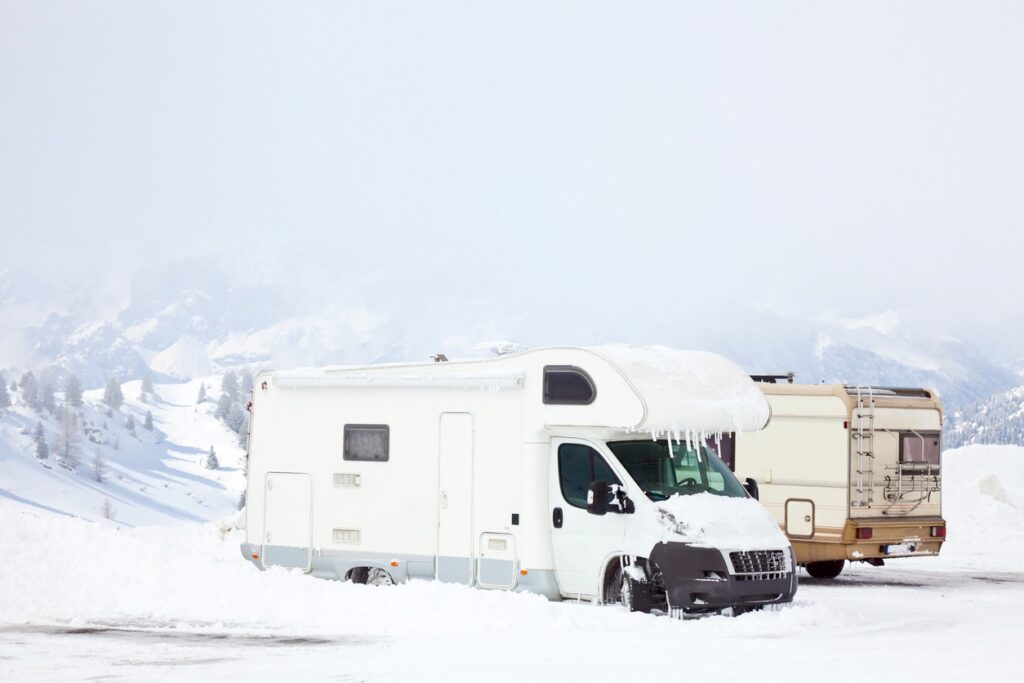
RVs face unique winter problems, and skipping important steps may result in long-term issues after the cold weather is gone.
What Happens if You Don’t Follow Proper RV Maintenance
When RV owners skip or rush through winter maintenance, it can create many problems that may not show up until the weather warms up again. Cold weather is tough on an RV, and seemingly small tasks like checking seals or draining water lines make a big difference. Skipping seasonal RV maintenance often leads to:
- Water system failures
- Roof or slide-out leaks
- Permanent staining from mold
- Flat-spotted or cracked tires
- Battery failure or corrosion
- Frozen pipes that burst
Slide-out, Awning, and Seal Defects
You should always pull slide-outs and awnings in, seal them, and sometimes cover them before winter begins. These parts aren’t made to handle heavy snow, strong winds, or ice. If they’re left open, uncleaned, or exposed, snow and ice can pile up on them and cause significant harm.
Boat-Specific Winterization Problems
Boats face their own winter problems, and skipping important steps leads to deterioration that’s hard to see until the weather warms up.
Engine Block Freezing and Cracking
You must drain boat engines the appropriate way and fill them with the proper antifreeze before winter. If you skip this step, any water left inside the engine can freeze when temperatures drop. As the ice expands, it can push against the metal and cause large cracks inside the engine block.
Hull and Gelcoat Deterioration From Temperature Changes
When temperatures go from freezing to warmer and back again, your boat’s hull and gelcoat can weaken over time. The constant expanding and shrinking can cause small cracks to form on the outside of the boat. These cracks may not look serious at first, but they can allow water to seep into the fiberglass underneath.
Fuel System Issues Caused by Moisture or Ethanol Separation
Old or untreated fuel in a boat can soak up moisture. This can cause the fuel to separate and create rust inside the tank and fuel lines. When this happens, the boat may run poorly or, in the worst cases, the engine may stop working completely.
How Covered Storage Reduces Winter Deterioration
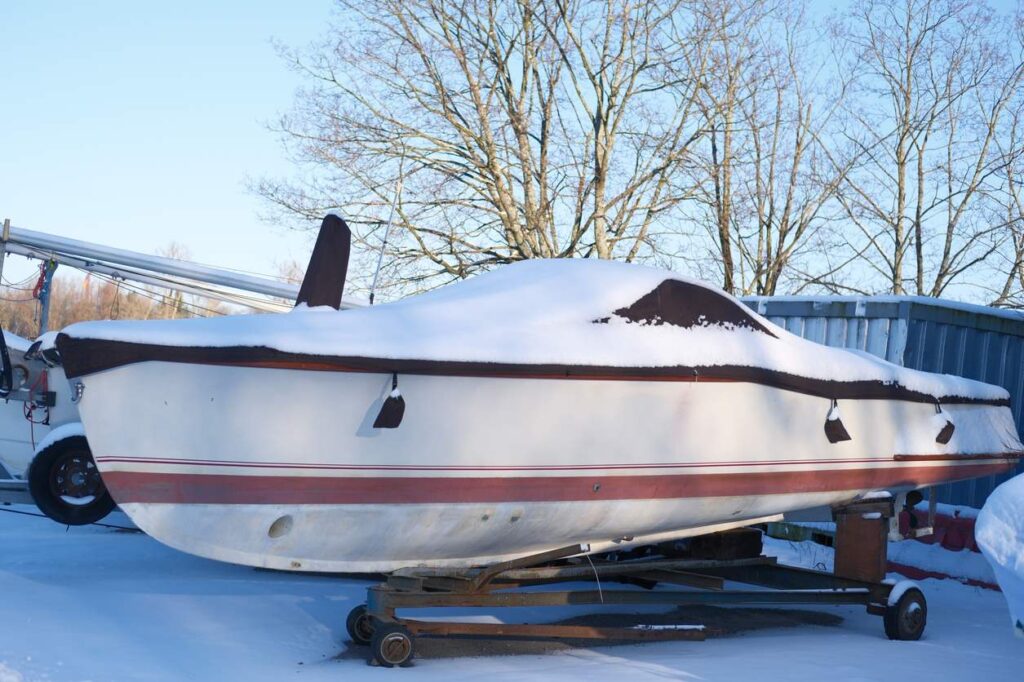
Covered storage helps shield your RV or boat from snow, ice, sun, and moisture, which can greatly reduce winter deterioration.
Defense From Snow, Ice, and Ultraviolet Radiation
Covered RV and boat storage helps shield your vehicles from heavy snow, freezing rain, and strong sunlight. When you shield your RV or boat from these harsh weather conditions, it’s much less likely to suffer roof dents, cracks, or warping. The paint and decals also stay in better shape because they aren’t exposed to the sun all winter.
Reducing Moisture Buildup and Preventing Mold
Covered spaces keep your RV or boat out of direct snow and rain, and they also let air move around more easily. This additional airflow helps keep moisture from getting trapped inside the cabin or storage compartments. When moisture builds up, it causes mold on cushions, floors, and walls, which can cause stains and unpleasant odors.
Tips for Better Winter Care
A few quick steps can keep your RV or boat prepared during winter and prevent deterioration when the weather gets cold.
How To Winterize Your RV
To maintain your motor home during winter RV storage, start by draining all water tanks and lines so they don’t freeze. Add non-toxic RV antifreeze to the plumbing, and either disconnect the battery or keep it charged with a maintainer. Stabilize the fuel with the appropriate additives to keep it from going bad.
How To Winterize Your Boat
Drain all water from your boat’s engine, tanks, and bilge. Flush the engine and fill it with the appropriate antifreeze to keep it from freezing. Add fuel stabilizer to the tank and run the engine for a few minutes so it spreads through the system. These steps are the best way to prepare your watercraft for winter boat storage.
Store Your RV or Boat Properly This Winter
Winter deterioration can be expensive, but you can help avoid it with the appropriate steps. If your RV or boat is fully winterized or you’re still working on it, covered storage gives you additional defense from snow, ice, and cold weather. Call or contact Honey Bee RV Storage online to reserve your space today to keep your vehicle ready for the cold all winter long.